At eighteen, I thought I was happy. I didn’t need to go out every night. I was content being quiet, being home, having just my husband and his family. My days were full in the most invisible way—cooking, cleaning, babysitting his little sisters and nephews. Sometimes I made dinner, even though cooking non-vegan food was still foreign to me. Most nights, spaghetti was the safest option. I did this every day.
Cole and I were trying to start our own family through all of it, but my body wasn’t cooperating. I was diagnosed with pelvic inflammatory disease, and the doctor told me I’d likely never carry a baby. The idea that I might never have someone who loved me unconditionally—someone I could love freely—shattered me. I didn’t show that grief to anyone but Cole. To everyone else, I played it off. Maybe it was fine. Maybe it was even a blessing.
One weekend in March, we went to his aunt’s house to drink and hang out. Yolanda and I drank so much we were leaning over the porch railing, sick and laughing and careless. Three weeks later, I took a test. Positive.
I was happy—and terrified. I’d been drinking heavily because I’d been told pregnancy was unlikely. Cole was overjoyed. He ran out of the bathroom, leaving me standing there alone, sprinting across the park to tell his aunt and calling his mom at work. I remember growing bigger, feeling the flutters, then the first real kick. I also remember the moment I started to feel unwanted. Ugly.
My 5’3” body went from 130 pounds to 211 by the time I gave birth. I didn’t recognize myself. I don’t blame anyone—who at eighteen or nineteen actually has life figured out? You barely know who you are. But when I tried to talk about how hard it was, my fears were brushed aside. You’ll be fine. You’ll get through this.
By December, I was enormous, exhausted, and scared. I thought I knew what labor would be like—I’d watched my niece’s home birth and even helped where I could—but my baby had other plans. He was big and stubborn, and after fourteen hours of fighting, I gave in to an emergency C-section.
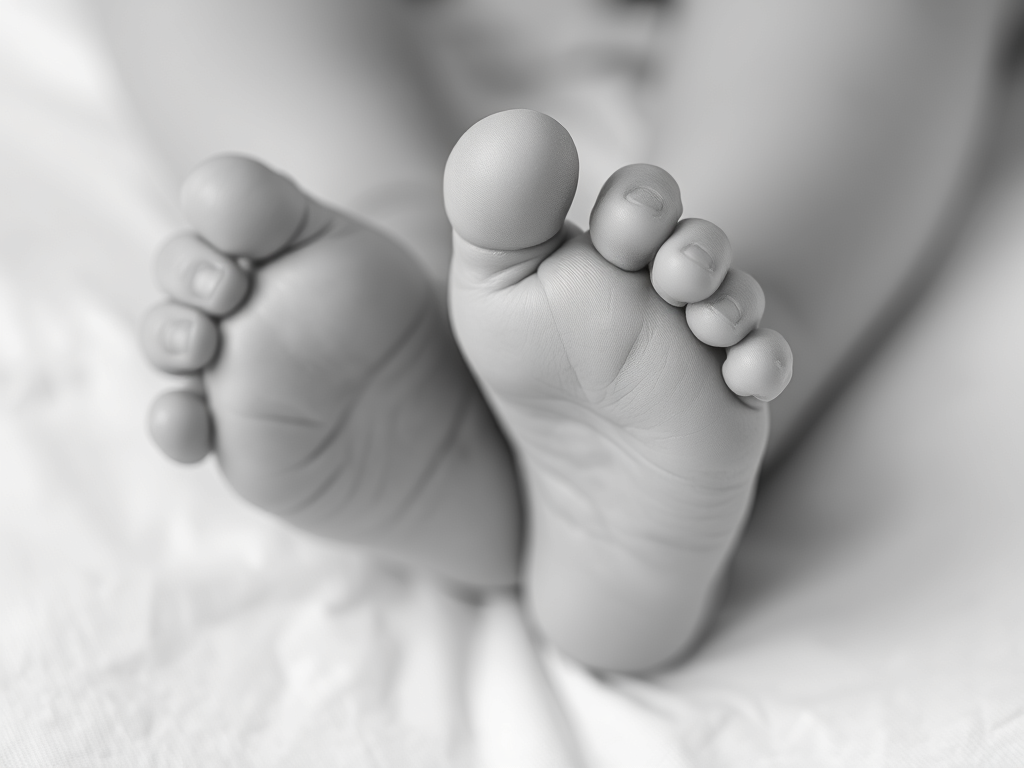
Our son was born weighing 10 pounds, 14.9 ounces—chubby cheeks, a pushed-up nose, and a perfect little mohawk. I saw him, and then I was gone. Cole later told me I lost a lot of blood. Things were touch and go for a while.
A week after we got home, I was back in the hospital with cardiomyopathy. My body was holding too much fluid, my heart working overtime. I stayed nearly two weeks while they drained what my body no longer needed. When I left, I could finally breathe again.
Lying in bed one night, Cole looked at my stomach—soft, deflated, unfamiliar—and asked why it looked so strange. He was thin, barely 120 pounds, and every girl before me had been small and effortless and pretty. I felt like maybe he didn’t like what he saw.
The first six months blurred together. Our baby was colicky. I ignored my own needs like I always had, pouring myself into everyone else. I was exhausted—up all night with the baby, babysitting during the day, doing everything alone. My husband preferred the computer to parenting or sitting with me. I was angry. Hurt. Invisible.
I wanted to be acknowledged, but I didn’t say anything—because I already knew the response. You’re overreacting. I love you. Everything’s fine.
So I did what I had learned long before. I retreated inward, searching for something—anything—that would make me feel real again.

Leave a comment